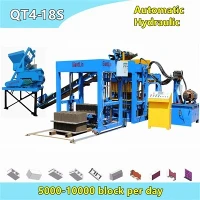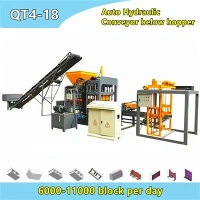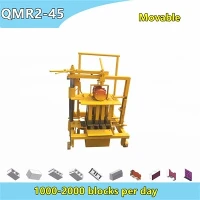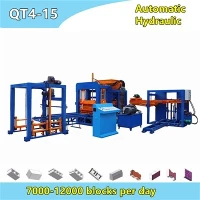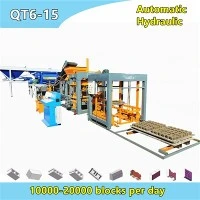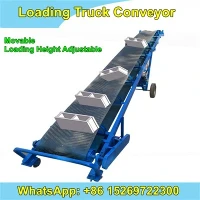



As construction, road development, rural improvement, and infrastructure projects continue to grow, flexible material supply has become increasingly important at many job sites. A mobile concrete non-fired brick making machine combines a relocatable design with mechanized forming technology, allowing concrete bricks and blocks to be manufactured at suitable locations. Its functions extend beyond pressing and forming to include material distribution, dimensional control, demolding, and flexible equipment deployment.
Material distribution is the foundation of the forming process. After cement, aggregates, and other ingredients have been proportioned and mixed, the concrete mixture enters the machine hopper. A distribution mechanism then feeds the material into the forming mold. Proper distribution helps minimize uneven filling and provides more consistent conditions for the subsequent compaction process. Feeding settings may need to be adjusted according to the mold configuration and material characteristics.
Compaction and forming represent the core function of the machine. Once the concrete mixture has entered the mold, a mechanically or hydraulically driven pressing system applies controlled force to compact the material and form a brick or block with the required dimensions and profile. Some machines may also incorporate vibration during forming to improve material distribution and compaction, which can contribute to more consistent product shape and density.
Product dimension control is primarily achieved through standardized molds. Different molds can be installed according to production requirements to manufacture concrete bricks, blocks, and other molded products in various sizes and configurations. Because the mold directly determines the length, width, thickness, and profile of the finished product, the selected mold should be compatible with the intended product before production begins.
Automated demolding helps remove newly formed products from the mold after pressing. Once the forming cycle is complete, the machine releases the brick or block and transfers it onto a pallet or designated handling area. A controlled demolding process can help reduce deformation and edge damage during product removal.

Mobile deployment is one of the most distinctive features compared with stationary brick making equipment. The machine can be repositioned according to site conditions, raw material availability, and construction schedules. When adequate ground conditions and safe operating space are available, this flexibility allows production areas to be adjusted as project requirements change.

Some configurations also provide production cycle control, using a control system to coordinate feeding, material distribution, pressing, and demolding. This can make the production sequence more consistent and easier to manage. However, actual product performance is still affected by factors such as mix proportions, moisture content, mold condition, compaction pressure, and curing conditions.
Overall, mobile concrete non-fired brick making machines can provide functions including material distribution, compaction and forming, dimensional control, automated demolding, mobile deployment, and coordinated production control. By integrating these processes, the equipment can offer a flexible solution for concrete brick and block production at construction sites and other locations where suitable on-site manufacturing conditions are available.