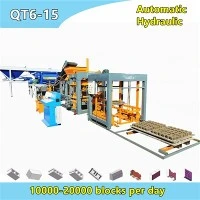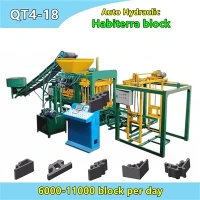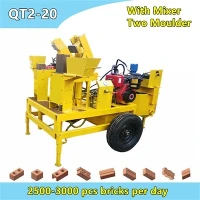


As construction and infrastructure development continue to expand, concrete block making machines are increasingly used by brick manufacturers, building material companies, and construction projects. Stable machine performance depends not only on the equipment itself but also on proper material preparation, parameter settings, operating practices, and routine maintenance. Applying practical operating techniques can help improve productivity and maintain consistent product quality.
Proper control of the raw material mix is an important foundation for block production. Before production begins, manufacturers should select suitable cement, aggregates, fly ash, and other materials according to the product design and intended application. Moisture content should also be carefully controlled. A mixture that is too dry may be difficult to compact and form, while excessive moisture can affect green block stability and demolding. The materials should therefore be adjusted according to actual production conditions and thoroughly mixed to achieve a uniform consistency.
Material distribution inside the mold is another important factor. The concrete mixture should be evenly distributed across the mold cavities to promote consistent compaction. Uneven feeding or excessive material in certain areas can lead to variations in block density and dimensions. Operators can monitor the forming process and adjust feeding time and related settings when necessary to improve material distribution.
Vibration and compaction parameters have a significant influence on forming performance. Different concrete products may require different vibration durations, vibration intensity, and compaction pressure. Operators should avoid simply increasing these settings and instead adjust them according to the manufacturer's recommendations, material characteristics, and product requirements. Stable and appropriate parameters can help reduce dimensional variations and maintain a consistent production cycle.
Keeping the molds clean is another simple but effective practice. Residual concrete should be removed from the molds and accessible machine surfaces after production to prevent hardened material from affecting subsequent forming operations. Mold condition should also be inspected regularly, and severely worn or damaged molds should be repaired or replaced when necessary.
Regular equipment maintenance is equally important. Fasteners, bearings, drive components, hydraulic systems, and electrical components should be inspected at appropriate intervals. If unusual noise, excessive vibration, or a noticeable change in forming quality occurs during operation, the machine should be stopped and inspected promptly to prevent minor problems from developing into more serious failures.
Overall, effective use of a concrete block making machine depends on proper material control, uniform feeding, appropriate forming parameters, clean molds, and regular maintenance. By following standardized operating procedures and continuously optimizing the production process, manufacturers can improve equipment utilization, maintain stable productivity, and support more consistent concrete product quality.