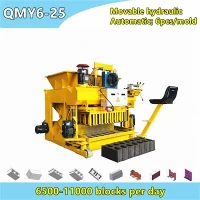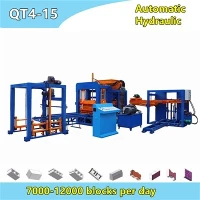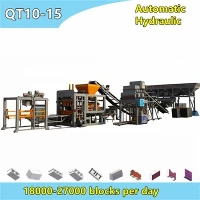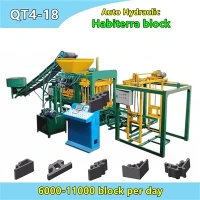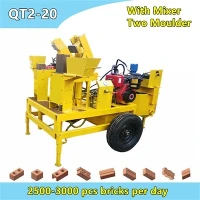


As concrete product manufacturing becomes increasingly mechanized and automated, concrete block making machines are widely used in brick plants, building material companies, and construction projects. Because these machines often operate continuously, their condition can directly affect production efficiency and forming quality. A structured maintenance program is therefore essential for reducing equipment failures, extending service life, and supporting reliable production.
Routine cleaning is the foundation of machine maintenance. After production, residual concrete should be removed from the hopper, molds, feeding system, and accessible machine surfaces before it hardens and interferes with subsequent operations. Particular attention should be given to the mold and feeding areas, where accumulated material can affect material distribution and product dimensions. Cleaning should always be performed according to the manufacturer's recommendations to avoid damaging machine components.
Lubrication is another important part of routine maintenance. Bearings, drive components, and other designated lubrication points should be inspected and serviced at the intervals specified by the manufacturer, using the recommended lubricant. Proper lubrication helps reduce friction and wear between moving components and supports smooth equipment operation.
The hydraulic system should be inspected regularly for hydraulic fluid condition, fluid level, leaks, and unusual pressure behavior. Any signs of leakage or unstable movement should be investigated promptly. The electrical system also requires periodic inspection, including wiring, control cabinets, sensors, and electrical connections, to ensure that key components remain in proper working condition.
Molds are critical wear components because their condition can directly affect the dimensions and appearance of finished products. Operators should regularly check for deformation, cracks, excessive wear, or other damage and repair or replace molds when necessary. The vibration system and drive mechanism should also be inspected for loose fasteners, unusual noise, and abnormal vibration.
In addition to routine inspections, manufacturers should establish a scheduled maintenance plan based on machine operating hours and working conditions. Regular inspections of critical components should be documented in maintenance records. Recording failures, repairs, and replacement parts can help management understand equipment condition and schedule preventive maintenance more effectively.
Overall, proper maintenance of a concrete block making machine should cover cleaning, lubrication, hydraulic and electrical systems, molds, vibration mechanisms, and drive components. Consistent daily care and scheduled maintenance can help identify potential problems at an early stage, reduce unexpected downtime, and maintain stable machine performance, providing reliable support for concrete product manufacturing.