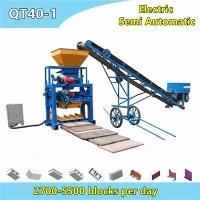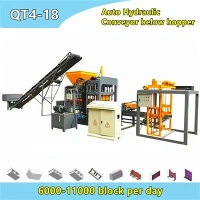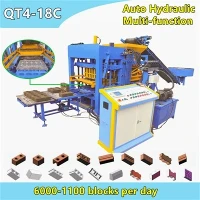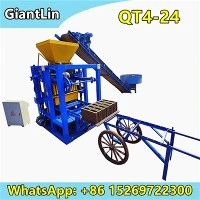


As demand for bricks continues to evolve across construction, road development, landscaping, and infrastructure projects, a single brick making machine may not be sufficient to cover the entire manufacturing process. Raw material preparation, weighing, mixing, conveying, forming support, and product handling all need to work together to create an efficient production system. The design of supporting brick production machinery therefore focuses on process coordination, operational stability, and efficient integration of different functional modules.
Production requirements form the foundation of the system design. Engineers first need to determine the overall process according to the type of brick, raw material characteristics, production capacity, and product specifications. Concrete brick production, for example, may involve material storage, proportioning, mixing, conveying, distribution, pressing, and product handling. Clay brick production may require additional preparation stages such as crushing, screening, and blending. The characteristics of the target product determine how the supporting machinery should be configured.
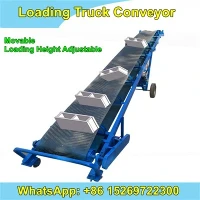
Material flow is central to production line layout. After raw materials leave the storage area, they should move through weighing, processing, mixing, and conveying stages along an efficient route. Conveying equipment should minimize unnecessary transfers and material waiting time so that the overall workflow remains smooth. The capacities of individual machines also need to be properly matched to prevent one stage from becoming a bottleneck for the entire production line.
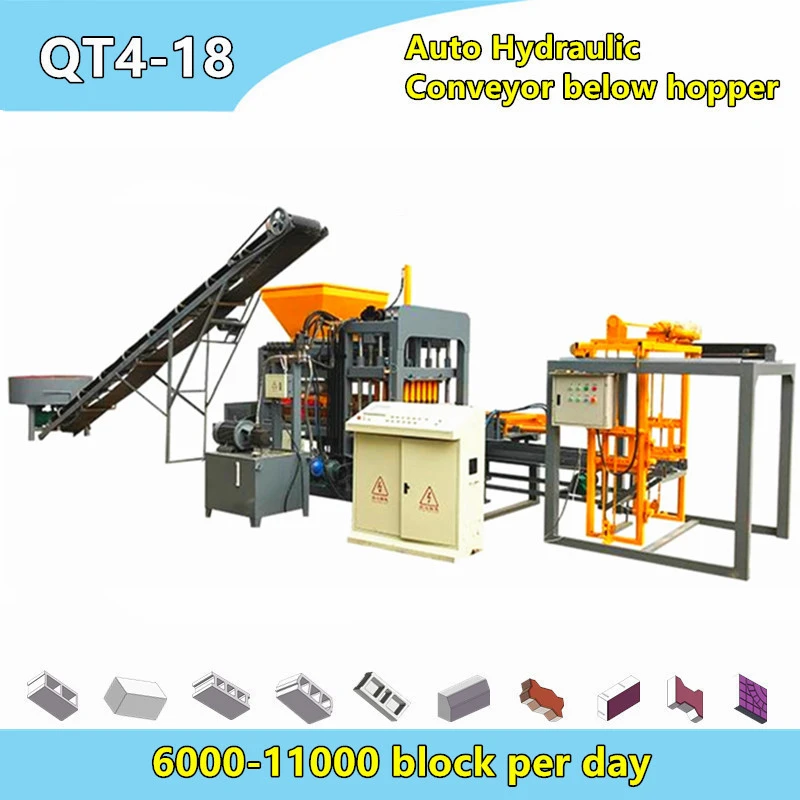
Modular design improves production flexibility. Manufacturers can have different output requirements, factory layouts, and product ranges, so supporting equipment is often designed as a combination of relatively independent functional modules. Material preparation, mixing, conveying, and pallet handling systems can be added, removed, or rearranged according to project requirements. This approach also provides greater flexibility for future production expansion or product changes.
Automated control is another important principle in modern brick production systems. Control cabinets, sensors, and operator interfaces can coordinate the operation of proportioning, mixing, conveying, and forming equipment. Automation can reduce repetitive manual tasks and help operators monitor machine status while maintaining a more consistent production rhythm across different stages.
Equipment design must also consider workplace safety, maintenance accessibility, and energy efficiency. Moving components should be equipped with appropriate protective measures, while inspection and maintenance points should remain accessible to service personnel. Drive systems should also be selected according to the actual operating loads and production requirements.
Overall, the design of supporting brick production machinery is not simply a matter of combining several individual machines. It involves creating an integrated system around the manufacturing process and production objectives. Through appropriate process matching, optimized material flow, modular configuration, and automated control, the individual stages can work together more effectively, providing brick manufacturers with improved production efficiency and equipment utilization.