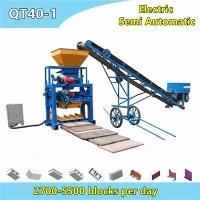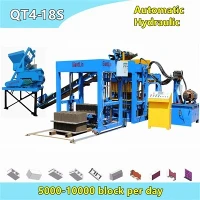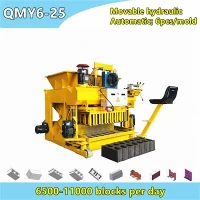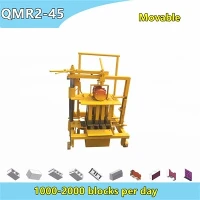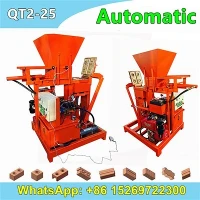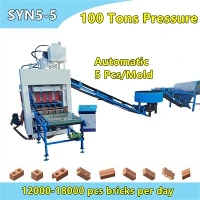


As landscaping, rural development, residential improvement, and specialty paving projects continue to expand, building materials with distinctive structures and visual appeal are attracting increasing attention. Clay interlocking bricks are valued for their interlocking profiles, which allow individual units to fit together to create an organized paving surface. Clay interlocking brick making machines are designed to manufacture these products efficiently and can be configured with different molds to meet specific project requirements.
Landscaping is one of the key application areas for clay interlocking brick making machines. Parks, scenic areas, garden paths, courtyards, and recreational spaces often require paving materials that combine practical performance with an attractive appearance. By using different molds, manufacturers can produce clay interlocking bricks in various sizes, thicknesses, and connection profiles, providing greater flexibility for landscape design.
Rural road improvement and the development of distinctive townships are also suitable applications. During rural infrastructure upgrades, roads, public squares, and community spaces may require paving materials that complement the local environment. Clay interlocking bricks can be arranged in different patterns and combinations to create distinctive surfaces, while brick making machines can support batch production according to project specifications.
Residential landscaping and courtyard paving provide another potential application. Entrances, garden paths, patios, and areas surrounding residential buildings often require paving products with consistent dimensions and a well-defined appearance. Mold-based forming allows manufacturers to produce bricks with relatively uniform specifications, making them easier to transport, arrange, and install during construction.
Commercial landscaping and cultural tourism projects can also make use of clay interlocking bricks. Commercial streets, guesthouse areas, cultural attractions, and recreational plazas may require paving materials that complement a specific architectural or landscape style. For manufacturers that need to supply products with consistent specifications over an extended period, dedicated brick making equipment can support more continuous production and improved product consistency.
The suitability of a particular application should be evaluated according to the brick's strength, wear resistance, water absorption, environmental conditions, and design requirements. During production, the clay's moisture content, pressing parameters, and drying process should also be adjusted according to the characteristics of the raw material to achieve stable forming performance.
Overall, clay interlocking brick making machines can be used in landscaping, rural development, residential paving, specialty commercial areas, and cultural tourism projects. As demand for distinctive building materials continues to grow, this type of equipment can provide manufacturers with a flexible and efficient solution for producing clay interlocking bricks for a wide range of paving applications.