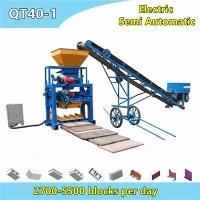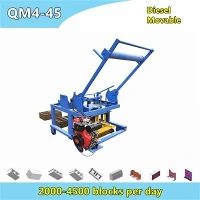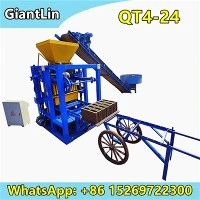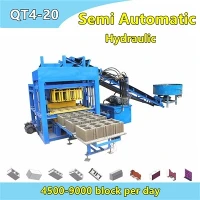


As landscaping, rural development, specialty construction, and paving projects continue to expand, demand for bricks with distinctive shapes and decorative characteristics is increasing. Clay interlocking bricks are valued in certain applications for their unique connection profiles and flexible paving patterns. A clay interlocking brick making machine provides manufacturers with a mechanized solution for producing these specialty products with greater process consistency.
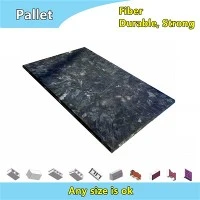
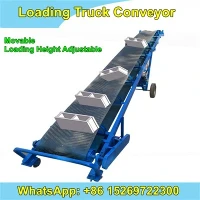
Higher production efficiency is one of the machine's key advantages. Traditional manual production can require considerable labor, while a mechanized system can perform material feeding, pressing, forming, and demolding according to a controlled production cycle. When integrated with conveying and pallet handling equipment, the machine can become part of a more continuous production process, helping improve overall productivity.
Consistent product dimensions are another important benefit. The machine uses standardized molds to control the length, width, thickness, and interlocking profile of the bricks. Compared with manual forming, mechanized production can reduce variations caused by individual operating practices, making the finished products easier to handle, transport, install, and arrange during paving work.
Mold flexibility also gives the equipment a high degree of production adaptability. Different projects may require bricks with different shapes, dimensions, and connection profiles. Manufacturers can install suitable molds according to specific requirements and adjust production parameters as needed. This allows the same equipment platform to support a broader product range for landscaping, courtyards, specialty pathways, and similar applications.
Increasing levels of automation are another notable feature of modern clay interlocking brick making machines. Depending on the configuration, equipment can incorporate automated feeding, material distribution, pressing, demolding, and conveying systems. A centralized control system can coordinate these processes, reducing repetitive manual work and helping maintain a more consistent production rhythm.
Mechanized production can also help reduce variations in product quality. By properly controlling material moisture, feeding conditions, compaction pressure, and forming time, manufacturers can establish more stable production conditions for green bricks. A relatively modular machine design can also make it easier to inspect and maintain key components such as molds and drive systems.
Overall, clay interlocking brick making machines offer advantages including efficient production, consistent product dimensions, flexible mold options, and strong potential for automation. As demand for specialty paving materials continues to develop, this type of equipment can provide manufacturers with a flexible mechanized production solution and support the development of more standardized and efficient clay interlocking brick manufacturing.